"Trillions on the Line: Niger Delta Outcry as Senate Probe into N2.3tn Pipeline Surveillance Contracts Opens"
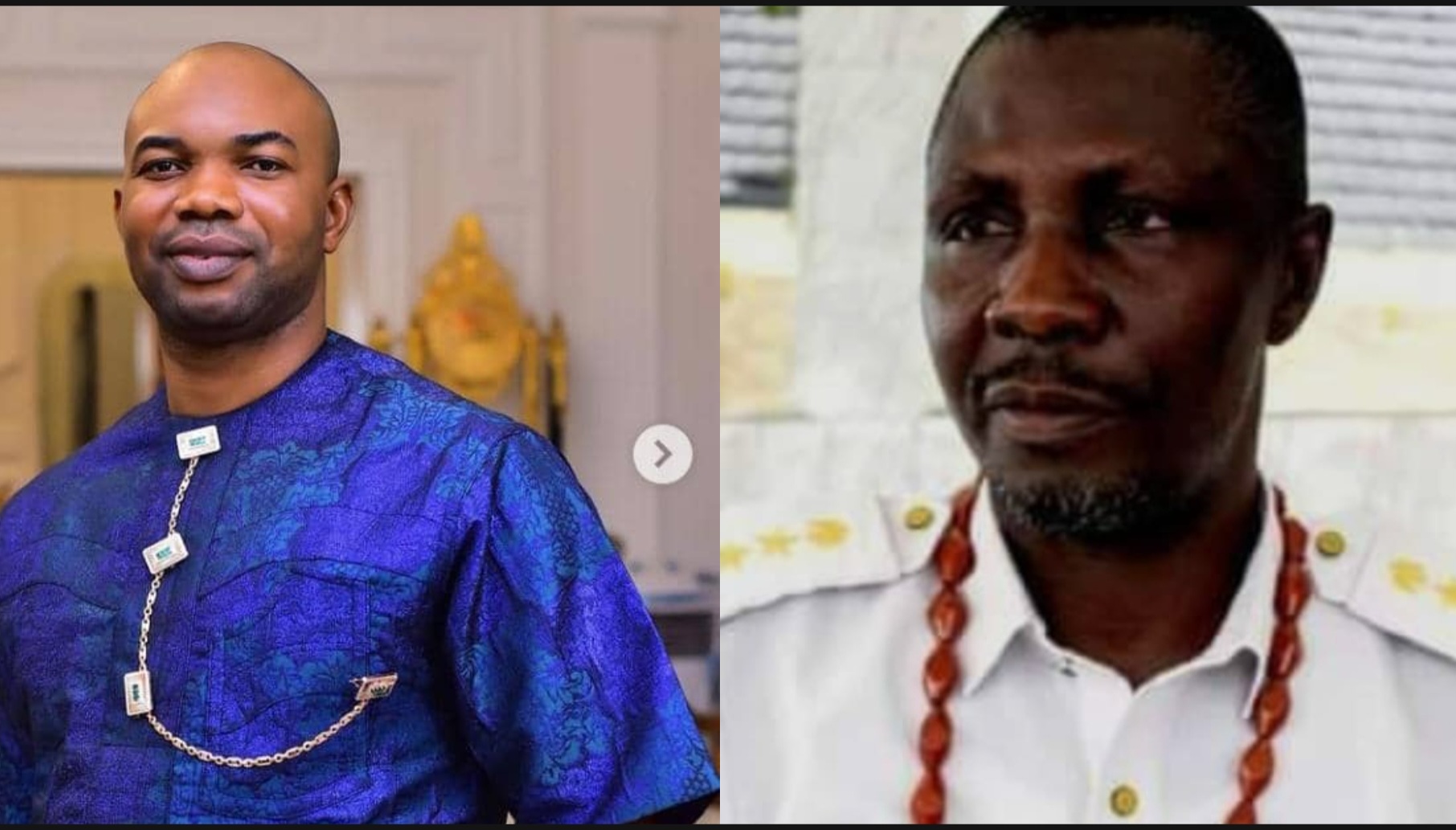
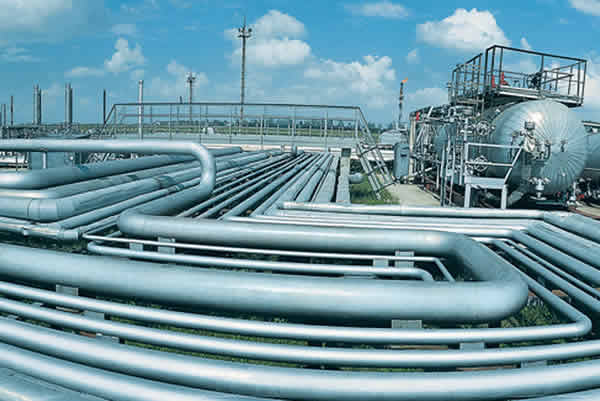
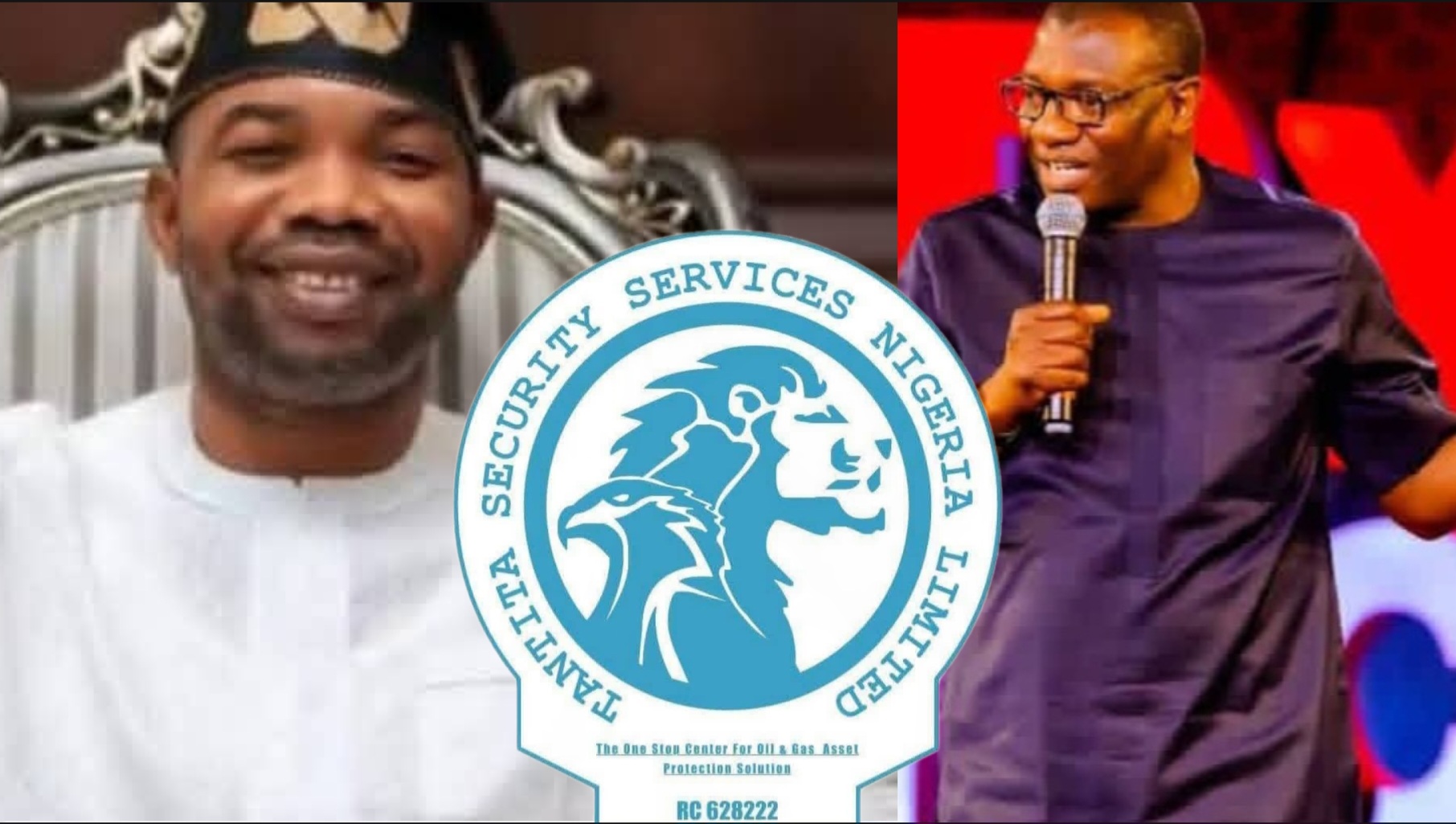
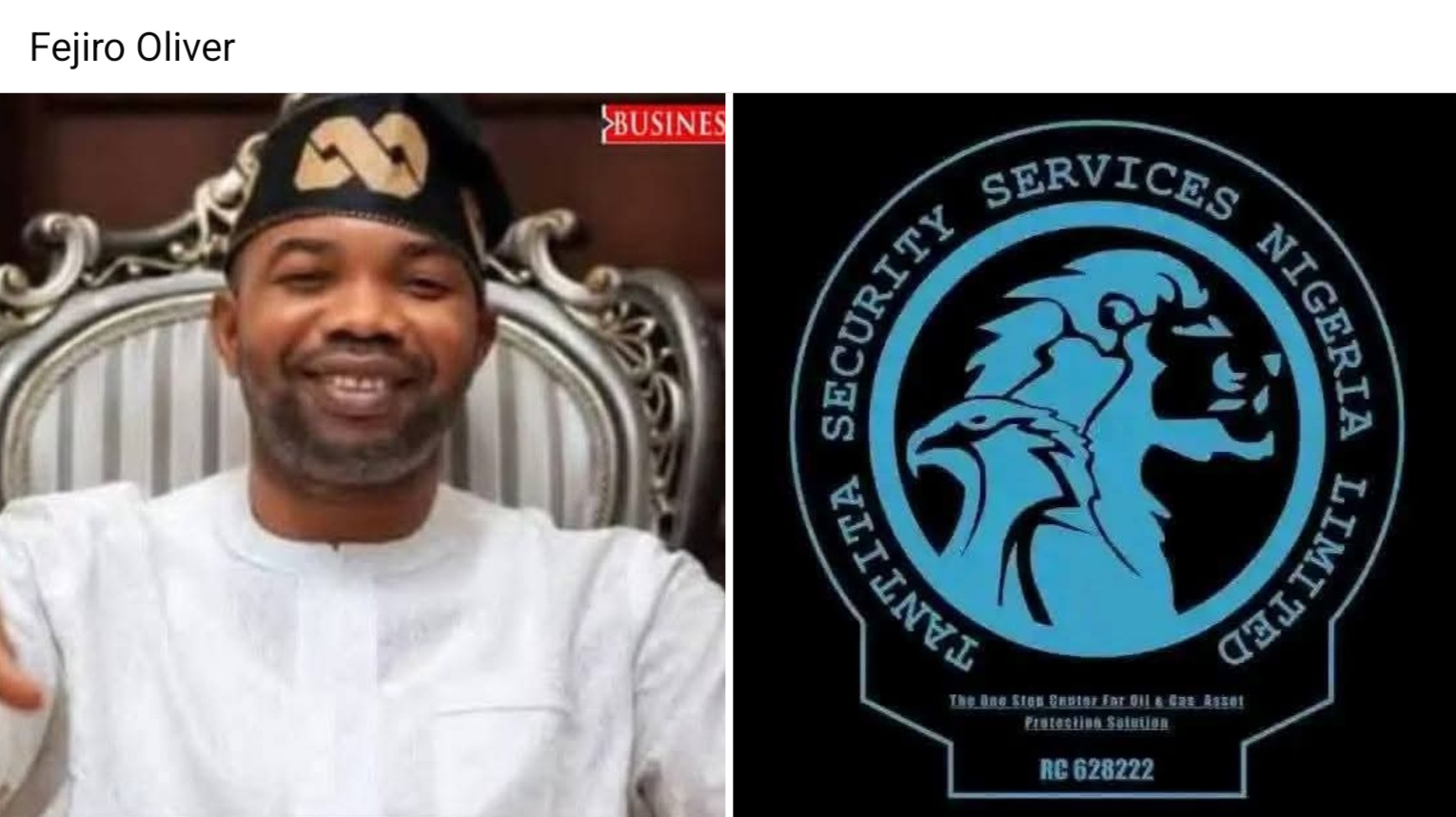
Today marks the opening of a high-stakes Senate probe into more than N2.3 trillion reportedly paid in one year for pipeline surveillance contracts awarded to firms identified as Tantita, Maton Engineering and others. The allegation—made publicly by activist Fejiro Oliver, who styles himself “Voice of the Streets & Defender of the Oppressed”—has set off a fierce political and social backlash across the Niger Delta and the federal capital.
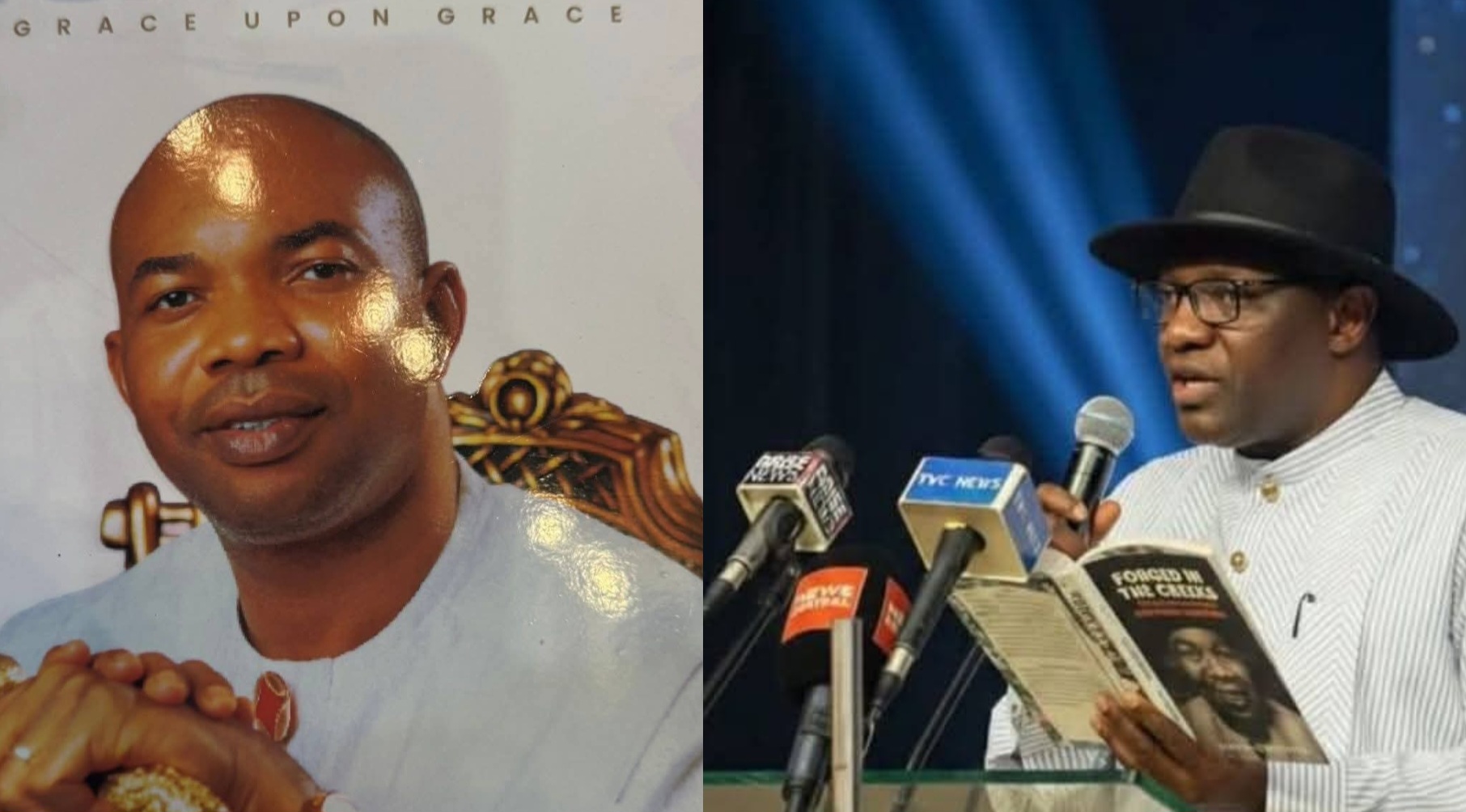
Oliver alleges that, in the hours leading up to the probe’s commencement, powerful interests have been lobbying top government officials to derail the investigation. According to his statement, outreach has extended “from the Presidency to Godswill Akpabio,” and included attempts to influence Senate leadership handling the inquiry. He singled out one lawmaker—Ikenna Ugochinyere—as vulnerable to inducement, while urging Minister Akpabio to “stay clear” of efforts to scuttle the probe, warning that any government-led interference would be “disastrous to the entire region.”
The accusations go beyond lobbying. Oliver claims that funds meant for Niger Delta communities are being “daily stashed away and spent lavishly” by named individuals—Matthew Tola and Keston Pondi—and warns that the region has the capacity to disrupt oil production in response. He invoked recent and historical sabotage and shutdowns that have previously pressured authorities and secured contracts for local operators, citing figures such as Tompolo and the late Captain Hosa as precedents for the disruptive leverage available to local actors.
“Since last night, they have been running from pillar to post … just to call them to make the Senate leadership in charge of the probe back down,” Oliver said in his release. He characterized the demand succinctly: “Let the wealth flow round or it doesn’t flow at all,” framing the controversy as a fight for equitable distribution of oil-derived revenue and local employment generated by surveillance and security contracts.
Oliver further framed the probe as a turning point: “Now that we have chosen to go to gear two legitimately, it should be known that the people of Niger Delta … have the capacity to cause the same shutdown of oil flow that Tompolo and others did,” he warned, urging transparency: “So let’s wash our dirty linen in the public.” He concluded with a call to action, announcing that protesters will “storm the National Assembly” to press for accountability.
Responses and context
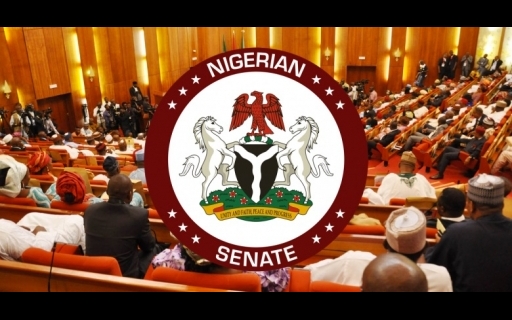
- Parliament: The Senate has scheduled hearings to examine contract awards, procurement procedures and the justification for the unprecedented N2.3 trillion figure for a single year of pipeline surveillance. Senators leading the probe have not publicly commented on Oliver’s allegations of interference.
- Accused parties: Firms named in the allegation—Tantita and Maton Engineering—and individuals mentioned in Oliver’s statement have not, as of publication, issued responses to the specific charges. Representatives for the Presidency and Minister Godswill Akpabio did not respond to requests for comment prior to publication.
- Historical context: The Niger Delta has a long history of contestation over resource control, security contracting and the use of pipeline surveillance as both a legitimate security measure and a source of patronage. Past disruptions of oil production have been used by local actors to extract concessions or secure local contracts, complicating federal and corporate responses to security and procurement challenges.
Implications
If substantiated, the claims could expose systemic procurement failures, potential corruption, and the politicization of security contracting—issues that carry major fiscal, legal and political consequences. Conversely, if the allegations do not hold up to scrutiny, the proceedings will still test the Senate’s capacity to conduct a transparent, impartial investigation amid intense political pressure and the risk of public unrest.
What’s next
The Senate probe begins today. Protest actions announced by Fejiro Oliver and allied groups are expected to coincide with the hearings. Stakeholders—parliamentary committees, the Presidency, the named firms and Niger Delta community leaders—will face increased scrutiny as the investigation unfolds.
Fejiro Oliver’s statement and related developments will be monitored and reported as the inquiry proceeds.



0 Comment(s)